Easy Childrens Crafts: Everything You Need to Know
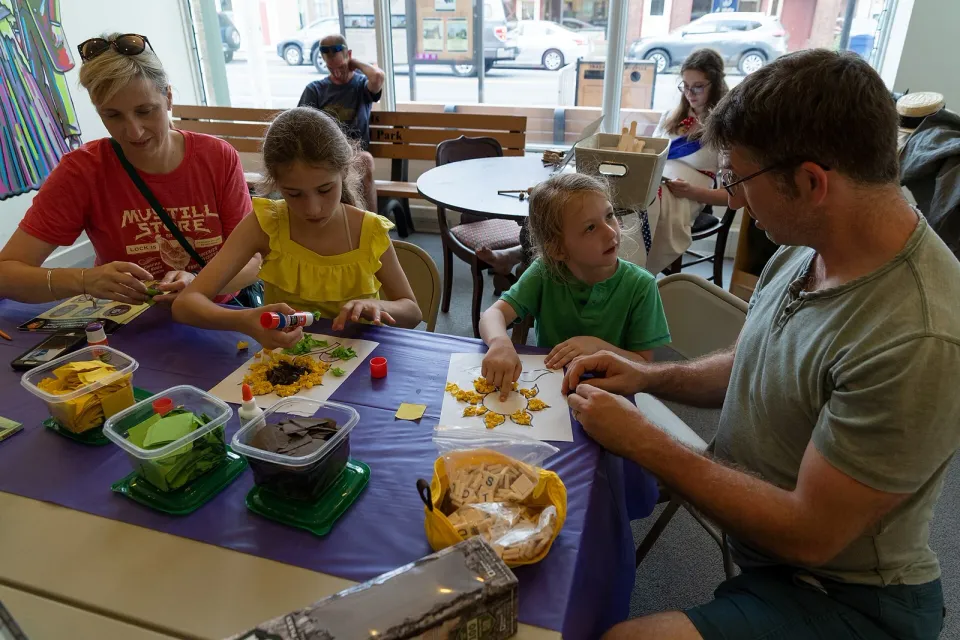
Choose a craft that can finish before patience does
Easy children’s crafts are the ones you can start with what is already in the house, finish in one sitting, and clean up without a fight. A project that needs a special cutter, a drying time that runs past bedtime, and a result that only an adult can assemble is not an easy craft, even if the internet titled it “simple.”
Keep a small, closed box of basics: paper, crayons, a glue stick, child scissors, tape, and a few recycled boxes or paper tubes. That box will carry you through more afternoons than a closet of themed kits. Kits are fine when they match the child’s age and you have already read the step count. They are not required.
This is a practical guide for home, including seasonal projects such as easy children’s Easter crafts, not a lesson plan and not a promise about skills a child “should” have. For age-stage context on play and everyday time together, the CDC’s positive parenting tips are a solid official starting point, including the page for toddlers (2–3 years). Use those pages to sanity-check your expectations, then pick a project the child in your kitchen can actually do.
Sort crafts by age, mess, and how close you must sit
Toddlers. Think large and short. Sticker on paper, crayon on a big sheet, glue stick and torn magazine pages, painting with a washable tempera and a fat brush, or sticking tape onto a box. Stay within reach. Skip beads, sequins, loose glitter, small pom-poms, magnets, and anything that can break into a mouthful. A “toddler craft” with a dozen tiny parts is a toy you will spend the afternoon taking out of a mouth.
Preschoolers. They can cut, with child scissors, along a fat line you draw, and they can glue two or three pieces into a shape that they will name later. Paper-plate faces, bag puppets, simple crowns, and potato or sponge stamps are enough. They still need you at the table, especially with paint and scissors.
Early school age. They can follow a short sequence and often want the thing to “look like something.” Origami that has three folds, a card for a real person, a paper kite, a collage with a theme, or decorating a plain frame will work. Let them do the work. If you take over to make it neater, the craft was for you.
Older children. Offer a real skill: sewing a button or a simple pouch, building a puppet theater from a box, mixing a color wash, or making a comic of four panels. Your job is materials and a stopping time. They may want to continue tomorrow. Leave the project visible, not swept into the recycling in a tidy impulse.
Seasonal crafts, including children’s Easter crafts, follow the same rules. A paper egg, a card, or a decorated basket made from a carton is easier, and usually more satisfying, than a kit of tiny decorations. Dyeing eggs is a kitchen project as much as a craft: it needs a drying rack, clothes you can wash, and a plan for the dye bath so it cannot spill onto a toddler who is still mouthing things.
A table of easy crafts you can start this week
| Craft | Age band it usually suits | Mess level | What you need | When it is done |
|---|---|---|---|---|
| Torn-paper collage | Toddler with help; preschool on their own for a stretch | Low, if you use a glue stick | Paper, a glue stick, old magazines or colored scraps | When the page is full, or when interest fades |
| Sticker and crayon story page | Toddler and preschool | Low | Large paper, stickers, crayons | When they tell you what the picture is, even if you cannot see it yet |
| Paper-plate puppet or mask | Preschool and early school age | Medium | Plate, glue or tape, scraps, a stick or a string | When it can be held up and used in a two-minute play |
| Box building (house, bus, rocket) | Preschool through older | Medium | A box, tape, crayons or paint | When they can put something inside it or play with it |
| Handmade card | Early school age and older | Low | Paper, drawing tools, maybe a cut shape | When it can go in an envelope, even if the drawing is wild |
| Simple stamping | Preschool and up | Medium to high | Washable paint, a sponge or a cut potato, paper, a smock | After one or two sheets; then wash hands |
| Recycled-tube binoculars or telescope | Preschool and early school age | Low | Tubes, tape, string, crayons | When they can wear or carry it on a “walk” through the house |
| Four-panel comic or mini-book | Early school age and older | Low | Paper folded into a book, a pencil, a staple or tape | When all four panels have a mark; a plot is optional |
You can swap in seasonal shapes — eggs, snowflakes, leaves — without changing the method. The method is the easy part: one main action, one sitting, one place for the wet thing to dry.
Setup, cleanup, and a few rules that keep crafts easy
Put a washable layer on the table. Put a damp cloth within your reach, not the child’s painting hand. Open the glue after the paper is already down. Announce the ending before you start: “We will make one card, then it is snack.” Children finish more calmly when the end is not a surprise.
Do not set out every supply you own. Two or three choices are plenty. A crowded table makes a crowded craft, and a longer cleanup.
For scissors, sit close, use child scissors, and draw the line yourself for younger children. For paint, use washable products and a smock or an old shirt. For anything that cuts, heats, or uses a sharp tool, that part is an adult step. A child can design; you can operate the oven or the craft knife.
Cleanup is a step in the project. Give a job that is real: lids on, scraps into a bag, pencils back in the cup. You will still do the floor. That is fine. The point is that the box can close.
If a craft is going badly, shrink it. Cut the project in half. Let the child stop and keep the piece as it is. A half-collage in a real afternoon is a better memory than a perfect one that ends in tears.
A short starter checklist
- The project can be done with supplies already in the house, or I am willing to skip it
- It matches the youngest child who will join, or I have a simpler version
- I can sit with it for the whole time if small parts or scissors are involved
- There is a drying spot that will not be eaten by a younger sibling or a pet
- Clothes and table can survive the mess
- I have said how we will know it is finished
- I will not “fix” the child’s work into my own
Questions families ask about easy children’s crafts
What are truly easy children’s crafts if I am not artistic?
Collage, stickers, box-building, and homemade cards do not require drawing skill. Your job is setup and calm, not a demonstration of perfect lettering. If a child asks you to draw a dog, you can try, or you can say, “You draw the dog you have in mind,” and mean it.
How do I adapt crafts for a toddler and an older sibling at the same table?
Give them the same theme and different tools. The older child cuts and writes; the toddler glues large pieces you have already torn. Sit between them. End when the toddler is done, and let the older child continue if they want.
Are glitter and beads all right if I supervise?
For older children, maybe, if you accept the mess and there is no younger child who puts things in a mouth. For toddlers and many preschoolers, skip them. Easy children’s crafts are easier without a week of sparkle in the floorboards, and safer without small parts.
How far ahead should I plan seasonal crafts, like Easter?
A day or two is enough. Buy or set aside the paper and one special material if you want it, then keep the project short. A single homemade card or a decorated carton basket will mean more than a long, fussy scene that an adult ended up finishing after bedtime.